
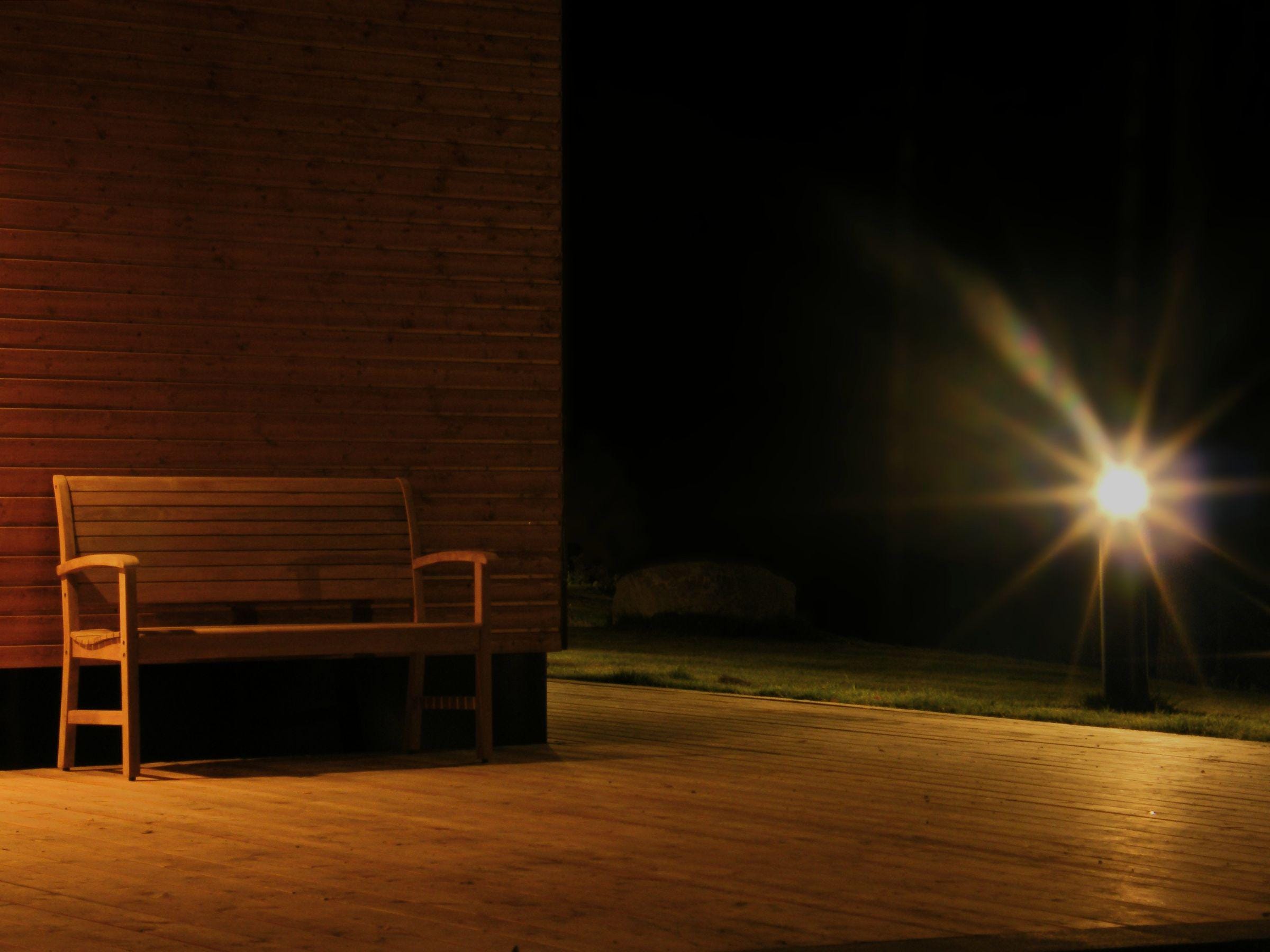
More Than Minimalism
Light, Simplicity, and More
Nordic (and Scandinavian) architecture is often described as light and simple - even minimalistic.
Light is more than it seems. It is not only about light itself, but also about what light reveals and doesn't: the shadows.
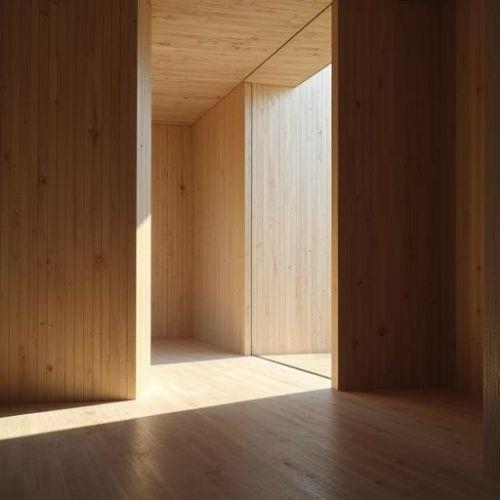
Minimalism doesn’t really describe Nordic architecture as a whole. Nordic architecture is not about leaving things out; instead, it focuses on what is essential. Rather than minimalism, I call it simplicity: it’s simple, it’s enough, but never too much.
Light demands simplicity and simplicity needs light. How about the "More"?
The Quiet Tradition Behind the Design
There is global interest in Nordic modern architecture and it is mostly based on two things: functionality and simplicity. The real magic, however, lies in the tradition that is often quietly embedded in the design.
You may find the tradition in the form of the building or in materials and details or perhaps in the overall context. Here are a few examples:
- The way of building and the construction: Traditional log houses have a long history and are still a common way to build.
- Materials: Natural materials and finishes such as pine, spruce, and birch are very common.
- Nature and Climate: Steep gable roofs with long eaves and south-facing windows.
- Spaces: Separate entrance room for outdoor clothing, sauna, fireplace.
Light and Its Absence
Long Seasons of Light and Dark
For me - as a Finn - I find it odd to be outside in the dark wearing only shorts and a t-shirt. "Why?", you may ask. Because in Finland it is never dark, when it is warm enough to wear a t-shirt outdoors. In summer, the sun doesn't set until well past midnight, only to rise again a few hours later. In winter, it is the opposite: the sun barely rises before it sets again.
We live between extremes of light and dark. That shapes the way we design our houses.
Large Windows Towards the Sun
The dramatic change of light explains how we traditionally think of houses as shelters. In midsummer, the sun is high and intense. In midwinter the sun is low on the horizon.
We need two things: large windows facing south to let the warming sun in during winter, when it may shine for only a few hours a day, and long roof overhangs to provide shade in the summer. A window is not just an open view to the outside, but rather a functional mechanism for warmth and light. After the long and dark winter, we embrace natural daylight flooding into living spaces and even bedrooms.
Materials Matter
History of wooden buildings
The Nordic countries have a long history of wooden construction. Ships, bridges, churches, and houses have traditionally been built using timber as the primary structural material. There are plenty of forests, providing a natural and locally available source for building.
When thinking of the traditional way of building in the Nordics, the first thing that comes to mind is log construction. This way of building is still very much alive - there are people who would not choose any other. I won't explore this topic further now, but I may return to it in a future article focused specifically on log building. This is a legacy that still shapes our thinking about wood today.
Honesty: Real Materials - Not Fake
In Nordic architecture there is a certain unwritten rule: what you see is what you get.
All materials age, but they do not need to look worn out. This is what patina is about: it reveals the age of a building without diminishing its value. In many cases patina is something to look forward to.
When designing a house, I imagine how it will look 15 or 20 years into the future and consider how the materials will age over time. For me, both design and materials must stand the test of time.
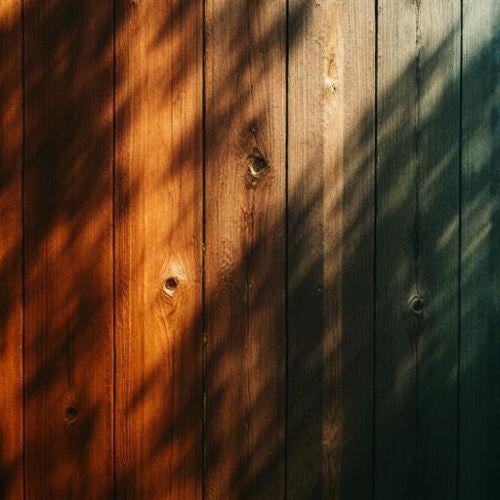
Real materials age with honesty and develop a beautiful patina: wood instead of plastic, natural stone instead of imitation concrete, gypsum instead of styrofoam, or other synthetic substitutes.
Human Scale of Space
Proportion Over Size
In many films, wealthy people live in huge stone houses. Floors are marble, walls are concrete and ceilings are high. Everything is hard, with no softening elements.
Have you ever thought about how uncomfortable it would be to have a conversation there? Words would echo from wall to wall and from floor to ceiling. Wouldn't you feel small and even unsafe in that enormous hall?
A sense of scale is perhaps the most underrated talent that architects possess. I have noticed that understanding the proper sense of scale is rare: people tend to think only about the size and volume - the bigger, the better. In reality, it's a matter of proportion, perspective, and human psychology, rather than opinion.
When rooms are carefully organized in terms of hierarchy and privacy, and a person gradually arrives at the main living area, they not only experience spaciousness but also understand the status of the room. My point is that a small, cozy space may seem more generous when human perception is taken into account.
Organizing spaces and creating rhythm between rooms is essential. Traditionally, one would move from one room to another, with rooms arranged in a sequence. When doors were open, long vistas appeared through multiple spaces. I find this fascinating, even though in modern architecture the same goal is often achieved differently - for example, by arranging spaces "behind the corner".
Living With Nature
The Nordic countries have very few inhabitants per square kilometer, which leads to the conclusion that nature is highly valued. Cities are relatively small: Helsinki, the capital of Finland, has only around 700,000 people spread across an area of more than 200 square kilometres. In this context, it is easy to understand the close relationship between architecture and nature.
When designing a house in the countryside or a rural setting, blending in is the Nordic way. Nature is seen as the dominant element: the house becomes a shelter that makes it possible to live with nature. This requires a careful design process, which often includes the following principles:
- A connection to nature supports mental well-being. Large windows maximize natural light and greenery, connecting indoors with outdoors.
- Buildings should sit within the landscape rather than act as isolated design objects.
- Local natural materials, especially timber, are sustainable and create warmth. Overall, sustainable materials, energy efficiency and respect for the ecosystem are fundamental principles in modern Nordic architecture.
- Straightforward design and simplicity emphasize function and beauty of the form.
The Human Experience
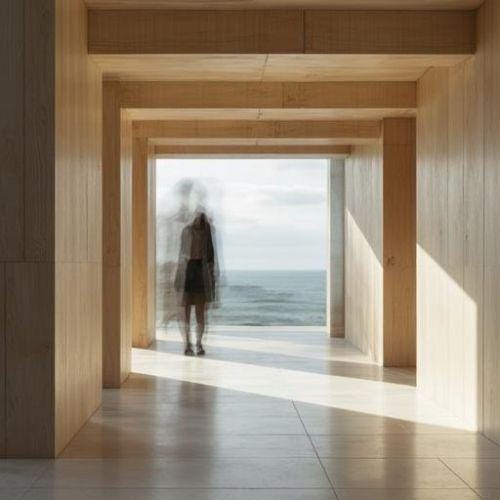
In the end, architecture is tested in everyday life. Not in drawings, not in photographs, but in how a space is used, moved through, and lived in over time.
I am not arguing, that form should follow function. Rather, I am pointing out that form and function go hand in hand. Form creates the shelter for function - and for me this is one possible answer to the question of what architecture really is.
In Nordic architecture, life defines function. Design shapes that function into a form we call architecture.
Nordic Mindset
How I Think and Design
Thank you for reading this far. In this article, I have approached Nordic architecture on a general level. Now, I want to point out a few things about my personal architectural way of thinking:
- Logic, such as structural simplicity and well-organized spaces. This doesn't mean that a house should not be expressive - on the contrary: logical groundwork in design allows more freedom to experiment later.
- The natural flow and rhythm between spaces and rooms.
- A material palette that is both functional and beautiful.
- The window sizes and proportions in terms of natural light, views, and overall harmony.
- No riff-raff, no purposeless effects.
- No "clinic" minimalism: the house is designed to be a home.
- No historical references without purpose or a story. With a purpose or a story, historical references are more than welcome.
- No following trends for the sake of following trends.
A Trend, a Style, and an Ideology
We are surrounded by trends - they come and go. Nobody really knows what tomorrow's hit will be. In that sense, trends are often driven by short-term attention rather than long-term thinking.
As an architect, I try to avoid designing according to trends. I find it very uncreative and I would rather create trends than follow them. Easier said than done, though.
I see that Nordic architecture is a growing trend in some way. As contradictory as it may sound, I like the idea of a trend that sticks to the essentials. The dilemma here is that Nordic architecture is not just a trendy style: it is more of an ideology, with style embedded within it.
Mies van der Rohe once said that less is more, and I believe that this is more true today than ever before. We need less stuff, less detail, less noise, less stress - less of everything, except calmness. If any architectural style can offer that, I believe Nordic architecture can.
Note on images. The cover photo is an original, built project designed by Finnish Architect. All other images in the article are AI-assisted visual interpretations. © Finnish Architect.